
About Spatialsyncar
Where cloud knowledge gets real
We started in 2016 with a straightforward question: why does learning cloud computing feel so disconnected from how engineers actually work? Spatialsyncar is our answer — live, technical, and built around the problems practitioners face every week.
How this platform came to be
A single frustrating afternoon changed what we built.
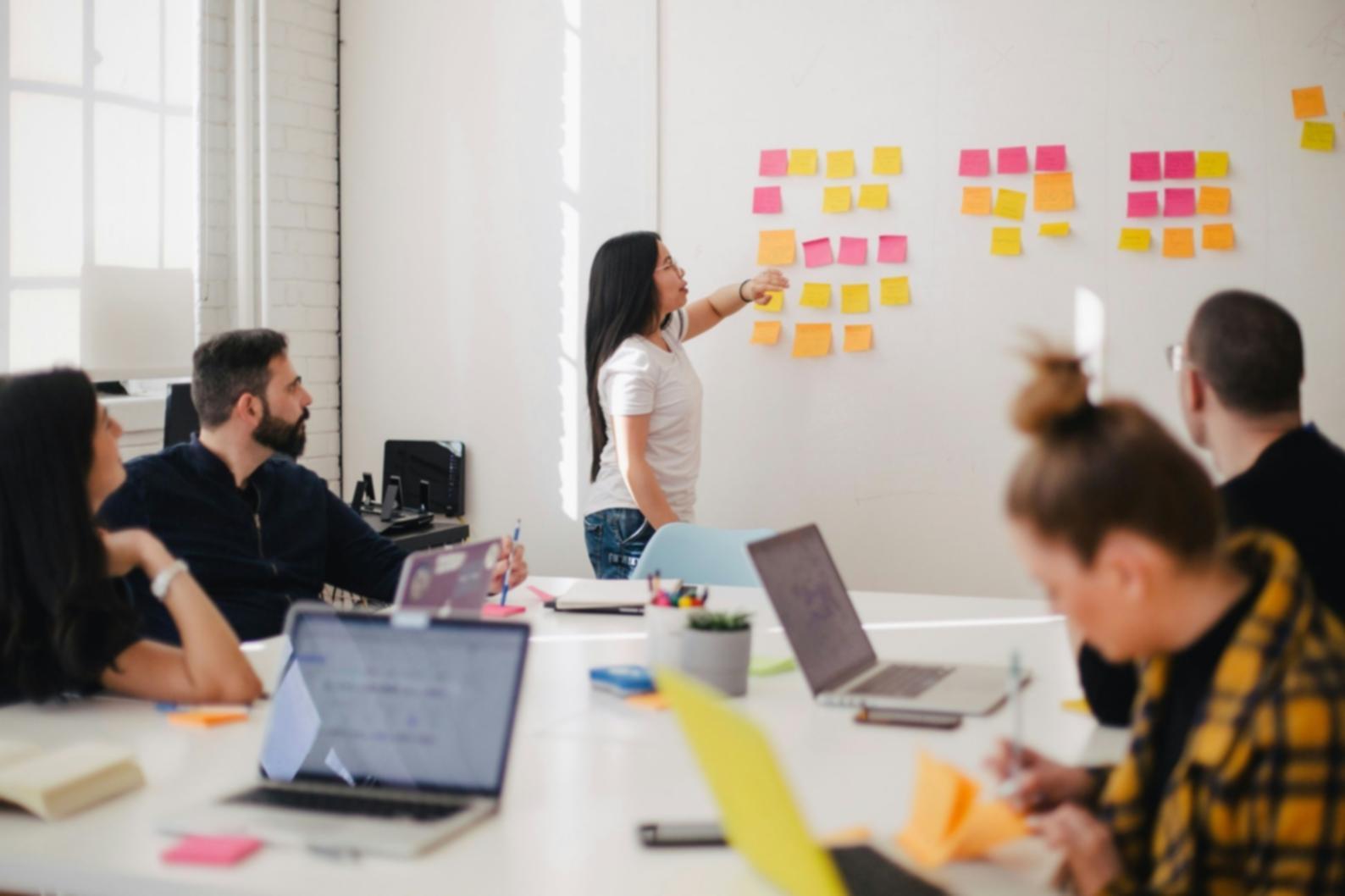
Volodymyr Kuts, one of our early instructors, was preparing a session on multi-region failover for a client team spread across Kyiv, Warsaw, and Berlin. He had the slides, the architecture diagram, and the script. What he didn't have was a way to let participants interact with the infrastructure live — to break things, fix them, and ask questions without a three-second lag ruining the rhythm. He cancelled the session and spent the next month building something better.
That prototype became the foundation of Spatialsyncar. The platform grew around a specific idea: cloud concepts are hard to retain when they stay abstract. A participant who watches someone configure an auto-scaling group learns less than one who does it themselves, under time pressure, with an instructor watching and correcting in real time. Every feature we've added since — the live broadcast tools, the shared terminal view, the session replay — exists because of that original constraint.
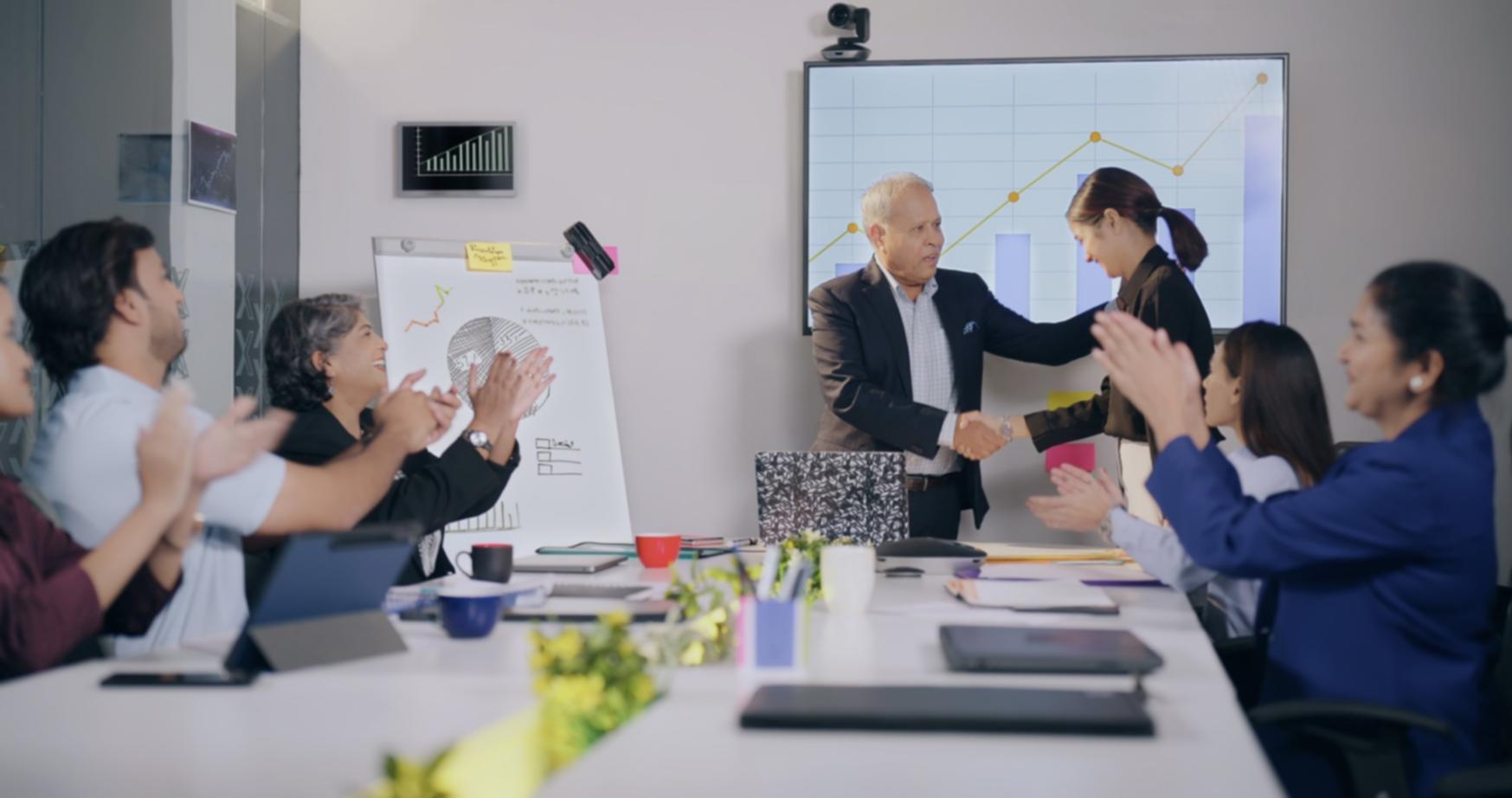

- Live broadcast with real-time Q&A across all time zones
- Shared environment so participants follow along hands-on
- Session recordings with chapter markers for review
- Direct access to instructors between sessions via async threads
How we approach learning design
Four dimensions — one framework
Depth
Technical precision
Sessions go into the specifics — IAM policy structure, VPC peering limits, cost allocation tag hierarchies. Participants leave with information they can act on the following morning.
Reach
Accessible from anywhere
A participant in Nairobi and one in Tallinn join the same session with the same tools. Time zone scheduling rotates so no region carries a permanent disadvantage.
Pace
Structured but not rigid
Each session has a clear agenda, but instructors hold buffer time for real questions. When something unexpected comes up in the environment, that becomes part of the lesson.
Continuity
Learning between sessions
The work doesn't stop when the broadcast ends. Async threads, replay access, and follow-up exercises keep the ideas active until the next live session.
The people who run sessions
Daryna Kovalchuk
Lead Cloud Instructor
Daryna spent eight years managing production infrastructure on AWS before moving into instruction. She runs the advanced architecture series and is known for making IAM feel less intimidating than it should be.

Taras Bilenko
Platform Architect
Taras built the shared environment tooling that lets participants interact with live infrastructure during sessions. He also leads the monthly deep-dives on Kubernetes networking and multi-cloud cost management.
Olena Marchuk
Learning Experience Designer
Olena designs the session structure and decides what gets cut. Her rule: if a concept can't be demonstrated in the environment, it doesn't stay in the agenda. She keeps sessions honest and focused.